
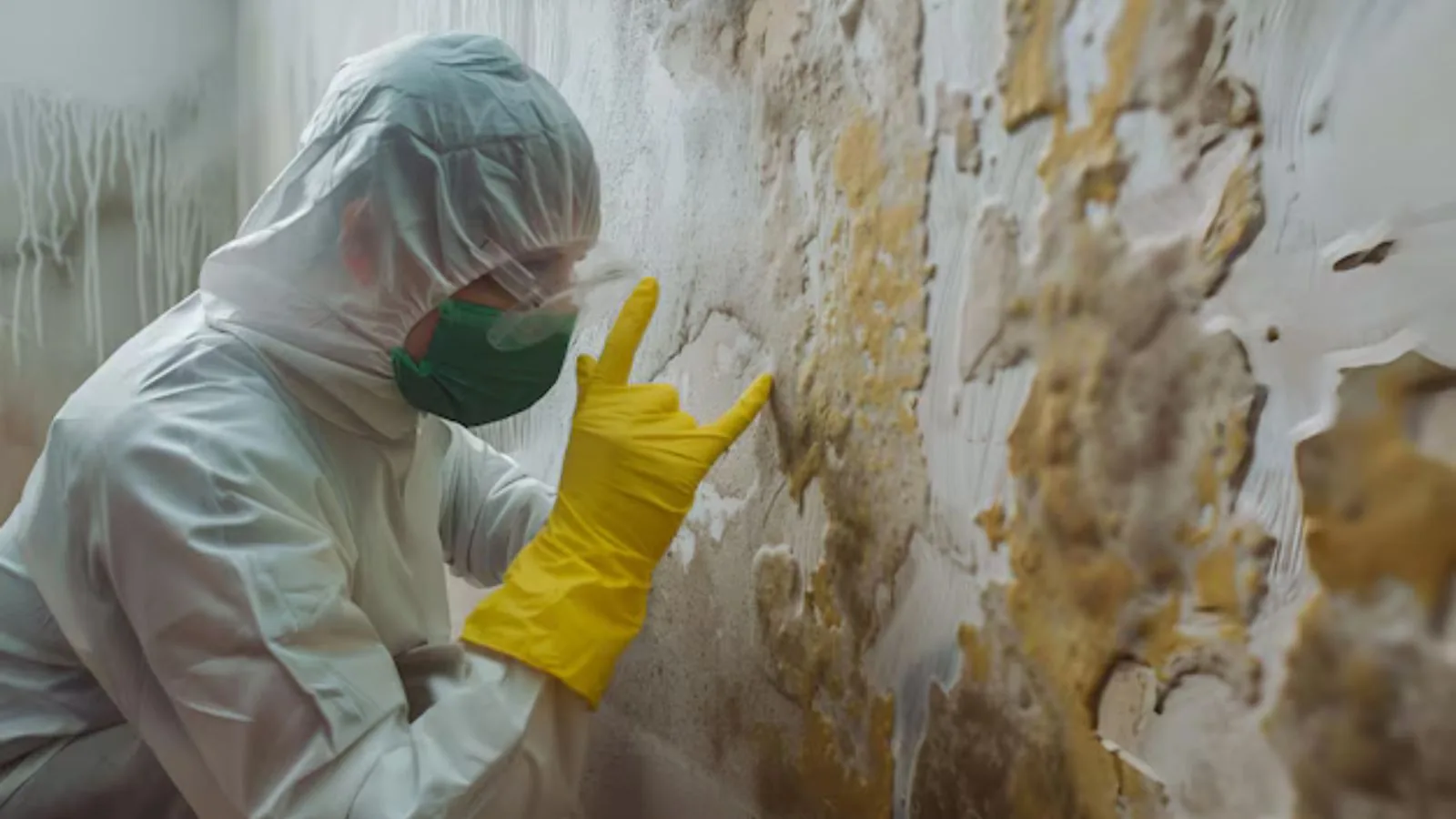
Mold remediation is the containment and removal of mold growth from a building, together with fixing the moisture that allowed it. It is the secondary service on this site because most mold begins after a water loss that went unaddressed. The standard for the work is ANSI/IICRC S520, and you can ask any company whether its crews follow it.
Mold needs three things: moisture, a food source such as drywall paper or wood, and time. Remove the moisture and the growth stops, but removing existing growth still matters because the material can be damaged. This page explains inspection, containment, removal and verification.
I see dark spots or smell something musty. What is it?
Dark spots on a wall, a musty smell after a leak, or fuzzy growth in a damp corner are common reasons for a call. These signs suggest moisture trouble and possible mold, but only testing or a trained inspection can say what the growth is. If water has been in the house for more than a day or two, mold is one of the possibilities to rule out.
The trade name for the fix is mold remediation. The first step is not scrubbing. It is finding and stopping the moisture.
What mold remediation involves
Work is planned from the inspection. Small, surface-level growth on a hard material is handled differently from growth inside a wall, and the plan depends on the size of the area and what materials are involved.
- Inspection and moisture mapping to find the source and the extent of growth.
- Stop the water. Mold work cannot succeed while the area stays wet.
- Set up containment with plastic barriers and negative air pressure so spores do not spread to clean rooms.
- Remove mold-damaged porous materials such as drywall and insulation, and bag them in place.
- Clean and HEPA-vacuum surfaces that can be saved, and use air scrubbers with HEPA filtration.
- Dry the area, check moisture readings, and verify the work before rebuilding.
Testing and verification
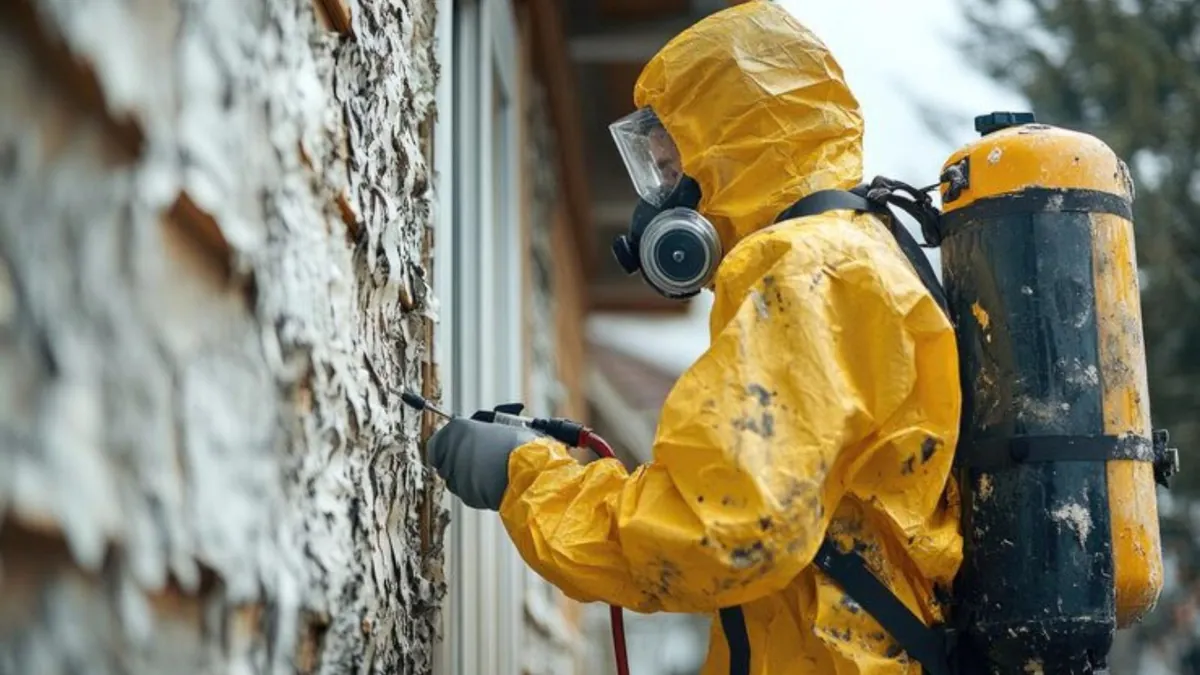
Testing, when it is used, supports the plan. It can show what kind of mold is present, compare air inside and outside, and check that the work is finished. A visual check plus moisture readings is part of verification. For testing results and health questions, talk with a physician or an independent industrial hygienist.
Never promise that mold will not return. What a crew can say is that if the moisture is controlled and the materials are dry, the conditions for growth are removed.
Where mold starts after water damage
Mold often starts where water stays: under carpet and pad, behind baseboards, inside wall cavities, on the back of drywall and in crawl spaces. Floors and walls that dried slowly are the usual places. See carpet water damage, wall and drywall repair and crawl space water damage for how each area gets damp.
Prevention starts with fast drying, which is covered in structural drying. Drying quickly and documenting readings is the best protection.
Licensing and standards
Whether Tennessee licenses mold work is something to ask when you hire. Ask the company whether your state licenses mold work and which license it holds, and look up any contractor license at verify.tn.gov, as the Tennessee Department of Commerce and Insurance suggests. Ask whether crews follow ANSI/IICRC S520 and whether the plan includes containment, air filtration and a verification step.
Mold inspection and remediation dispatch covers ZIP 37075 and 37077. The city Building and Codes office at City Hall can tell you whether any rebuild requires a permit.
What to do before help arrives
- Avoid disturbing visible growth, since scrubbing or brushing can spread spores.
- Turn off fans that blow air across the affected area.
- Never mix bleach with ammonia or other cleaners.
- Limit foot traffic through the area and keep children and pets out.
- Photograph the growth and note where and when you first saw it.
What affects the cost of mold remediation
Mold jobs range from a small wall section to a full basement, and the plan sets the price.
| Cost factor | Why it changes the job |
|---|---|
| Size of the affected area | Larger areas need more containment and removal. |
| Materials involved | Porous materials such as drywall and insulation are removed, while hard surfaces can be cleaned. |
| Location | Attics, crawl spaces and wall cavities are harder to reach. |
| Moisture source | The leak or humidity problem must be fixed. |
| Containment and air filtration | Barriers, negative air and HEPA filtration add equipment and labor. |
| Testing and verification | Sampling and a final check add steps. |
| Rebuild | Replacing drywall, insulation and finishes is separate. |
Call and describe what happened. The dispatcher lays out the likely scope and the price drivers before anyone starts work.
Related guides
- How to Eliminate Mold in a Hendersonville, TN Basement
- How Fast Mold Grows After Water Damage in Hendersonville, TN
- Musty Smell After Water Damage: Hendersonville, TN Guide
Questions about mold remediation in Hendersonville
Is mold dangerous?
Health effects vary from person to person, and that is a question for a physician. From a building standpoint, mold damages materials and should be dealt with by controlling moisture and removing growth.
Can I kill mold with bleach?
Bleach may change the color of surface mold but does not solve the moisture problem and does not penetrate porous materials. Removal and moisture control are what matter.
How do I know the mold is gone?
Visual inspection, moisture readings and, when used, post-remediation testing. Ask the crew to explain how they will verify the work.
Do I need testing before remediation?
Not always. Testing can help in some cases, but it does not replace fixing the water problem. The crew can explain whether it makes sense for your situation.