
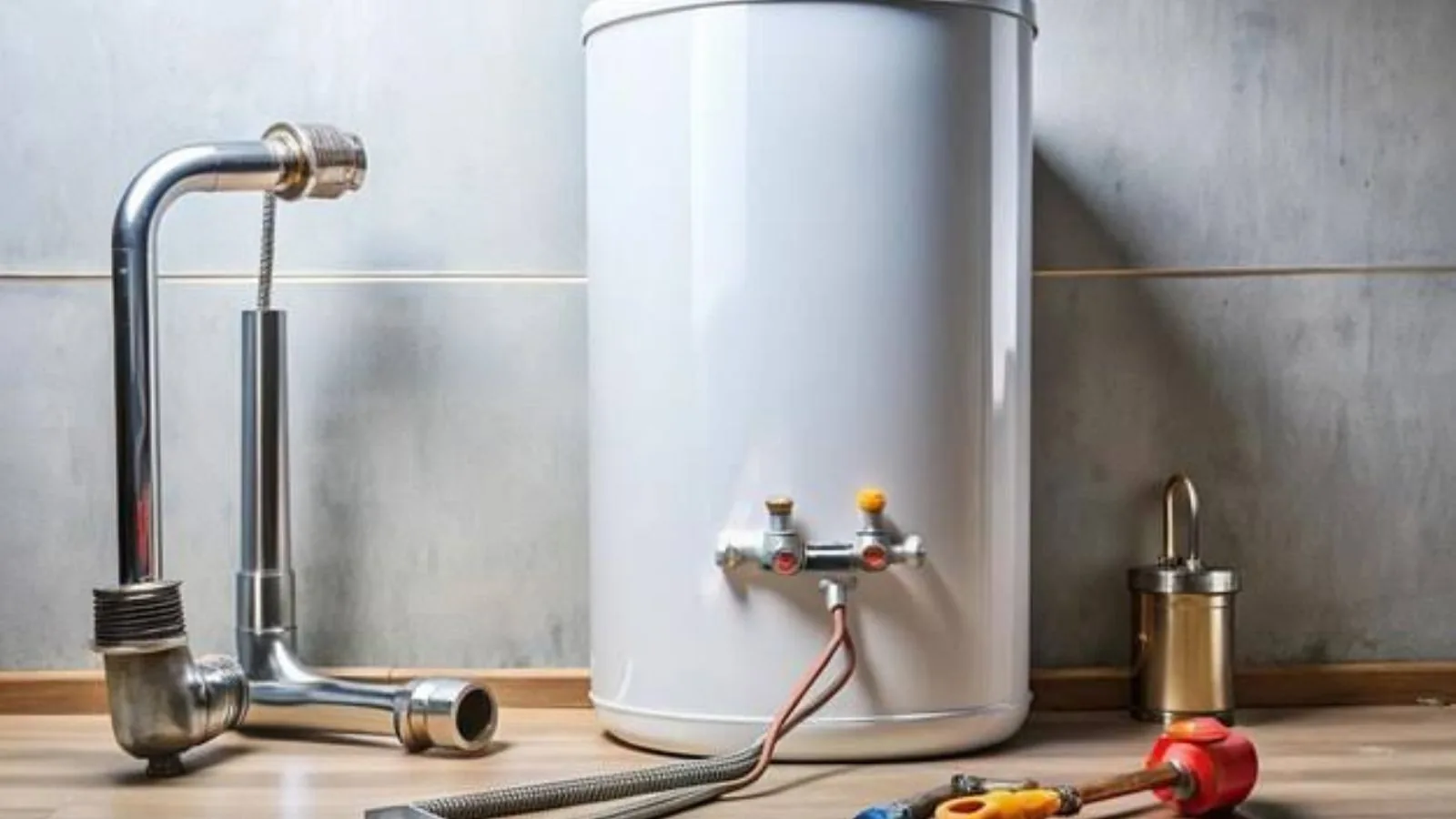
If your water heater is leaking, shut off the cold water supply to the tank, turn off its electricity at the breaker or its gas at the valve, and call the 24/7 line. Keep people away from the area, since the water may be hot. Move boxes and belongings out of the way if you can do it safely.
Water heater leak cleanup is the removal and drying of water released by a tank, a fitting, a relief valve or a connected line. A tank that fails can release everything it holds in a short time. The heater is replaced or repaired by a plumber, while the restoration crew deals with what the water touched.
When a water heater leak is an emergency
A leak at a fitting or a relief valve can be slow, but a failure at the tank seam can be fast and large. Water heaters sit in closets, garages, basements and attics, so the water often reaches walls and floors before anyone sees it. Same-day response is offered when crews are available, and after-hours calls are common because failures happen at all times.
Tell the dispatcher what kind of heater it is, where it sits, and which rooms are wet. An attic or second-floor unit usually means a ceiling problem below, and a basement unit usually means a flooded floor.
- Turn off the cold water supply valve above the heater.
- Turn off power at the breaker for an electric unit, or the gas valve for a gas unit.
- Do not touch the water if the heater or nearby outlets are wet and powered.
- Drain the tank only if a plumber has told you how to do it safely.
- Photograph the heater, the label, the leak and the water path.
- Call the 24/7 line and tell the dispatcher which rooms are wet.
Hot water and gas
Water from a heater can be scalding. If you smell gas or see a flame under a wet heater, leave the house and call 911 and the gas company first.
Why water heaters leak
Tanks corrode from the inside over time, and sediment builds up and stresses the shell. Pressure relief valves can open when pressure or temperature is too high. Fittings and flex connectors loosen. Drain valves drip. Tank water heaters last a limited number of years, and how many depends on the model and the water.
A plumber can read the date code on the heater and tell you whether a repair or a replacement makes more sense. Do not rebuild the room until the heater is fixed.
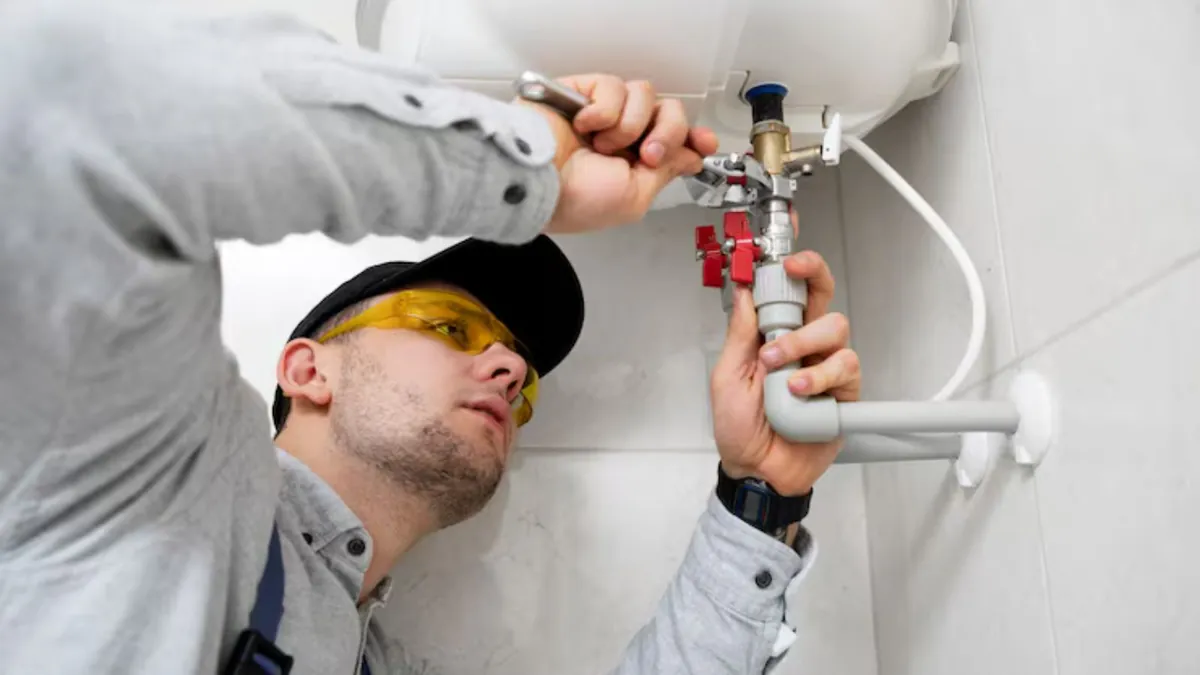
What the cleanup involves
Water from a heater supply is usually clean and treated as Category 1, but it can pick up dirt from the pan and floor and become Category 2 if it sits. Tank water that has been standing can also carry sediment.
- Water extraction from the floor and from carpet if present.
- Checking drywall and baseboards for wicking, often higher than the visible water line.
- Removal of wet insulation, drywall or flooring that cannot dry.
- Structural drying with air movers and dehumidifiers.
- Cleaning the pan and floor and checking for rust staining.
- Documentation, including photos of the heater label, for the insurance file.
Where the water goes next
Garage and utility closets often have concrete floors that carry the water to the next room. Attic heaters can saturate insulation and the ceiling below, covered on the ceiling page. If the leak ran to a finished area under the house, the basement page explains the cleanup. Walls near the heater often need attention too, covered by wall and drywall repair.
Insurance and local notes
A sudden tank failure is often covered, while long-term leaks and corrosion may not be. Keep the failed part if you can, and ask your insurer how it handles the heater itself and the water damage. The city of Hendersonville has adopted the 2021 International Plumbing Code with amendments, so ask the Building and Codes office at City Hall whether your replacement needs a permit. Calls from ZIP 37075 and 37077 reach the same dispatch.
Industry standard
ANSI/IICRC S500 guides what happens after the leak is stopped: classifying the water, setting drying goals and recording readings. Replacing the heater is a plumbing job under local codes.
What affects the cost of water heater leak cleanup
The heater replacement and the cleanup are priced separately. Cleanup depends on these factors.
| Cost factor | Why it changes the job |
|---|---|
| Volume and duration | A full tank release soaks more than a slow drip. |
| Location | Attic, closet, garage and basement units each create different problems. |
| Floors and walls reached | Water that moved into finished rooms adds drying and repair. |
| Water temperature and category | Standing water can become Category 2. |
| Drying time | Wall cavities take longer than open floors. |
| Heater replacement | A new tank is a plumber's cost, not part of cleanup. |
Describe the damage on the phone and the dispatcher explains the likely scope and price before any work starts.
Related guides
- How to Shut Off Your Water Main in Hendersonville, TN
- Small Water Leak Insurance Claims in Hendersonville, TN
Questions about water heater leak cleanup in Hendersonville
Do you handle water heater leak emergencies at night or on weekends in Hendersonville?
Yes. Dispatch is answered 24/7. Same-day response is offered when crews are available, and the dispatcher will walk you through the shutoff.
Can I keep using the heater if the leak is small?
No. Shut it down until a plumber has looked at it, since a small leak can become a large one without warning.
Will insurance replace the water heater?
Often not the heater itself when it failed from age, but sometimes the resulting water damage is covered. Ask your insurer which parts apply.
How do I find the main valve for the heater?
There is a cold supply valve on the pipe above the tank, and a shutoff for the whole house where the water enters the home. The dispatcher can help you find both.