
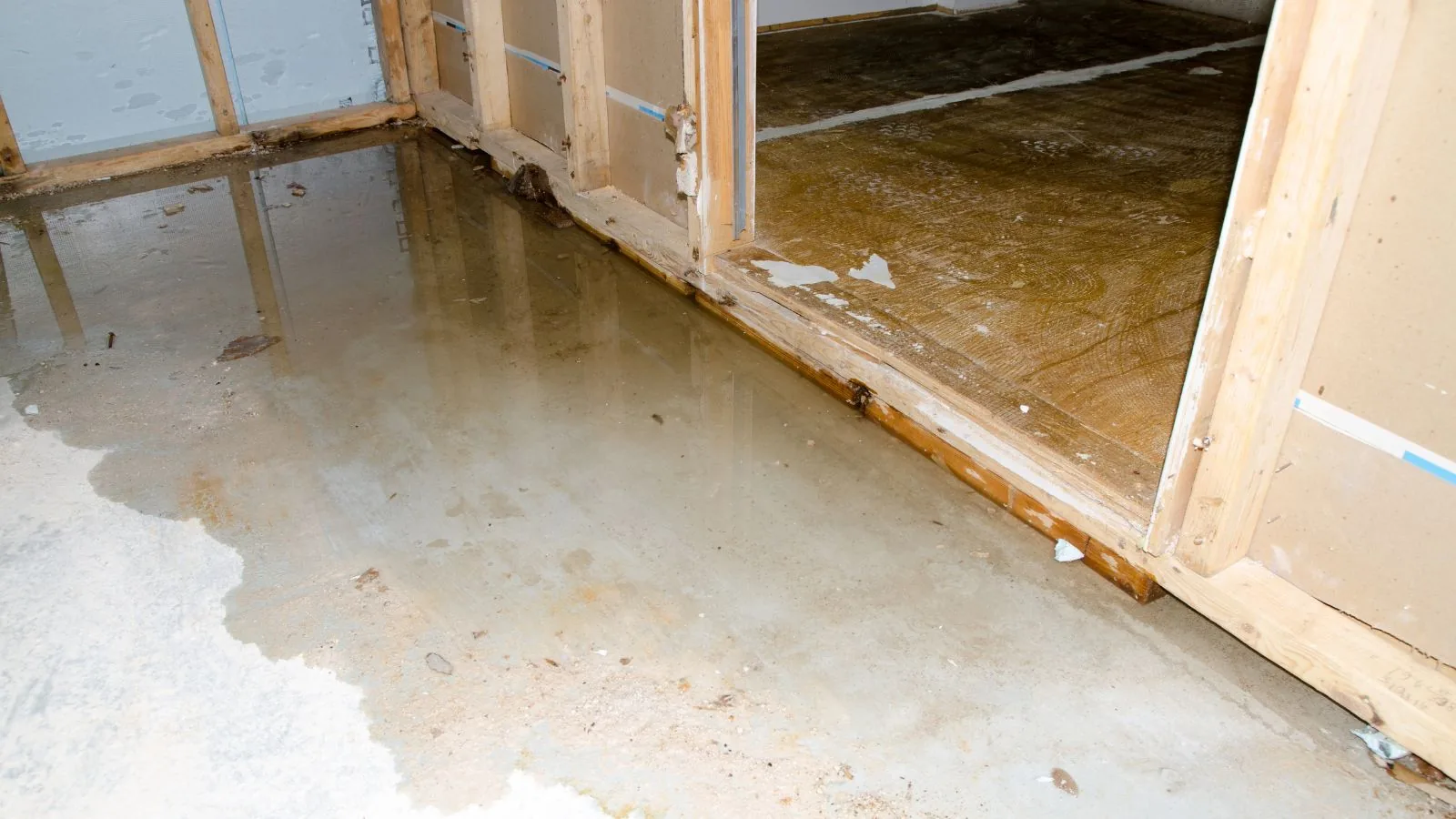
Water in a basement is an emergency because it sits against concrete, framing and anything stored below the line. If the basement is wet now, call the 24/7 line, stay out of the water if outlets or the panel are below it, turn off the sump pump breaker only if it is clearly failed and dry to reach, and carry valuables upstairs.
Basement water damage cleanup is the removal, drying and cleaning of a below-grade room. It covers sump failures, seepage through walls or the floor slab, window well overflow and the contents of finished rooms. It does not cover waterproofing, which is a construction job that stops future water instead of repairing past damage.
When water in the basement is an emergency
Basements fill quickly after heavy rain, and the water often arrives faster than a household vacuum can handle. Water deeper than an inch, water that keeps entering, and any water near a furnace, water heater or panel is urgent. After-hours calls are normal for basement losses because storms do not keep business hours.
Same-day response is offered when crews are available. Because finished basements are a common way to use below-grade space, the dispatcher will ask how the room is finished and whether carpet, drywall or stored boxes are involved.
Basement electrical safety
Never stand in basement water to reach a panel or outlet. If the water is higher than the lowest outlet, call the power company or the fire department before entering. Gas appliances in the basement also need professional inspection after flooding.
How a wet basement is cleaned up
- Photos and moisture readings of walls, floor and any finished materials.
- Water removal with pumps and extraction units, working from the deepest point outward.
- Removal of wet carpet, pad, baseboards and the lower section of drywall when they cannot dry in time.
- Cleaning of concrete, framing and shelving, with antimicrobial treatment when the water was dirty.
- Drying with air movers and dehumidifiers, with readings logged each visit.
- A rebuild scope for walls, flooring and trim once readings are dry.
Concrete is slow to dry and holds moisture long after the surface looks fine, so structural drying is the longest part of most basement jobs.
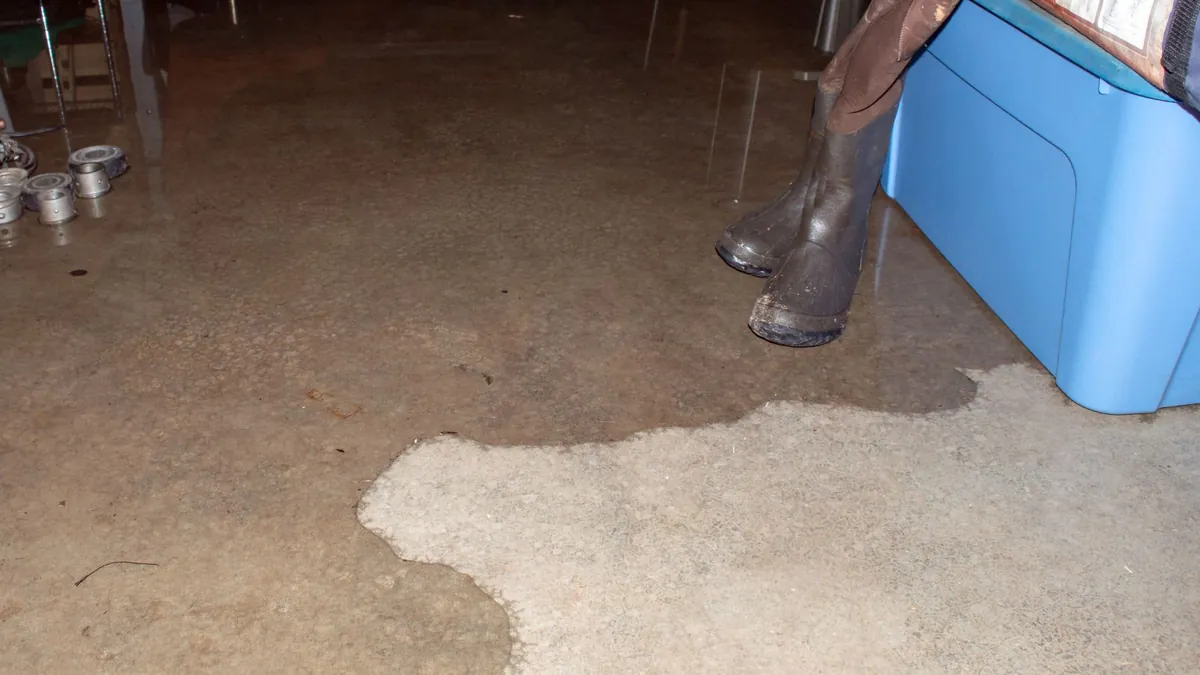
Why basements flood
Most basement water comes from four places. A sump pump that fails or is overwhelmed. Hydrostatic pressure that forces water through the floor and wall joints. Window wells and exterior drains that clog. Plumbing failures such as a water heater leak or a supply line above.
When the water came from outside in a storm, the same job may also belong under flood damage cleanup. If the lowest level is a crawl space instead of a room, crawl space water damage is a better fit.
Hendersonville basements and local rules
Hendersonville borders Old Hickory Lake, and whether your lot has any flood exposure is a map question, so check the FEMA flood map for your address and ask the city Building and Codes office at City Hall about permits before you rebuild finished space. The city has adopted the 2021 International Residential Code with amendments, and permit rules vary by the kind of repair.
Hendersonville Utility District provides water and wastewater service for the area. If a main or sewer line issue is suspected, the district is the right call alongside the restoration line.
Restoration versus waterproofing
Restoration repairs what the water already damaged. Waterproofing, such as exterior drains, sealing or a new sump system, is a separate project handled by a different trade. If the basement floods again after repair, ask for a waterproofing opinion, and do not rebuild finished space until the cause is fixed.
For newer subdivisions on the northeast side of the city, see the Station Camp and Saundersville page.
What affects the cost of basement cleanup
Basement jobs range from a few hours with a pump to a multi-day dry-out with demolition. The factors below shape most of it.
| Cost factor | Why it changes the job |
|---|---|
| Water depth and category | Deeper or dirtier water means more equipment, protective gear and disposal. |
| Finished or unfinished | Finished walls, carpet and trim add removal and rebuild work. |
| Square footage | More area means more drying equipment and more days. |
| Concrete and framing moisture | Slab and block walls dry slowly and set the length of the job. |
| Contents | Stored boxes, furniture and electronics may need cleaning or pack-out. |
| Rebuild scope | Drywall, flooring and paint follow after readings are dry. |
Describe the damage on the phone and the dispatcher explains the likely scope and price before any work starts.
Related guides
- How to Kill Basement Mold: A Hendersonville, TN Guide
- How to Eliminate Mold in a Hendersonville, TN Basement
Questions about basement water damage in Hendersonville
Do you handle basement water emergencies at night or on weekends in Hendersonville?
Yes. Dispatch is open 24/7. Same-day response is offered when crews are available, including after heavy rain.
Will insurance cover a flooded basement?
It depends on the cause. A sudden plumbing failure is often covered, but groundwater, seepage and flood are usually excluded unless you carry specific coverage. Check your policy and ask your insurer about sump and sewer backup endorsements.
Do you fix the reason the basement keeps flooding?
Restoration repairs the damage. Fixing recurring water entry is a waterproofing or plumbing job, and a crew can tell you what they saw but should not promise it will not happen again.
How long does a wet basement take to dry?
It depends on depth, materials and humidity. Concrete and block walls usually take longer than drywall, and the crew keeps drying until moisture readings reach a dry standard.