
A Hendersonville neighborhood guide places Station Camp and Saundersville on the northeastern side of the city and describes newer subdivisions in a growing, family-oriented area. The same guide mentions Millstone near Station Camp.
This page is for homeowners in that part of the city. It covers what restoration involves for plumbing, appliance and heavy-rain losses, and it makes no claim that newer homes are safer or riskier than older ones.
Where this area is
Saundersville Road and Vietnam Veterans Boulevard run along the northeast edge of the city, and a buyer guide places Wyncrest off Saundersville Road alongside the boulevard.
Those labels come from real estate guides, so use your street address to confirm you are in the service area when you call.
Station Camp Creek
The city land use plan says FEMA maps show floodplain along Station Camp Creek, and that streams in the city flow toward Old Hickory Lake. That is a regional fact about the creek corridor. It does not say which subdivisions are inside a mapped area.
Common starting points for a restoration call
In newer subdivisions, calls often begin inside the house, at the kitchen, the laundry room, a bathroom or a water heater.
- A supply hose or connector that fails behind a washer or dishwasher.
- A water heater that leaks in a garage or utility closet.
- A toilet supply line that lets go in a bathroom above a finished ceiling.
- Rain that enters at a door, a window well or a basement stairwell, where a home has one.
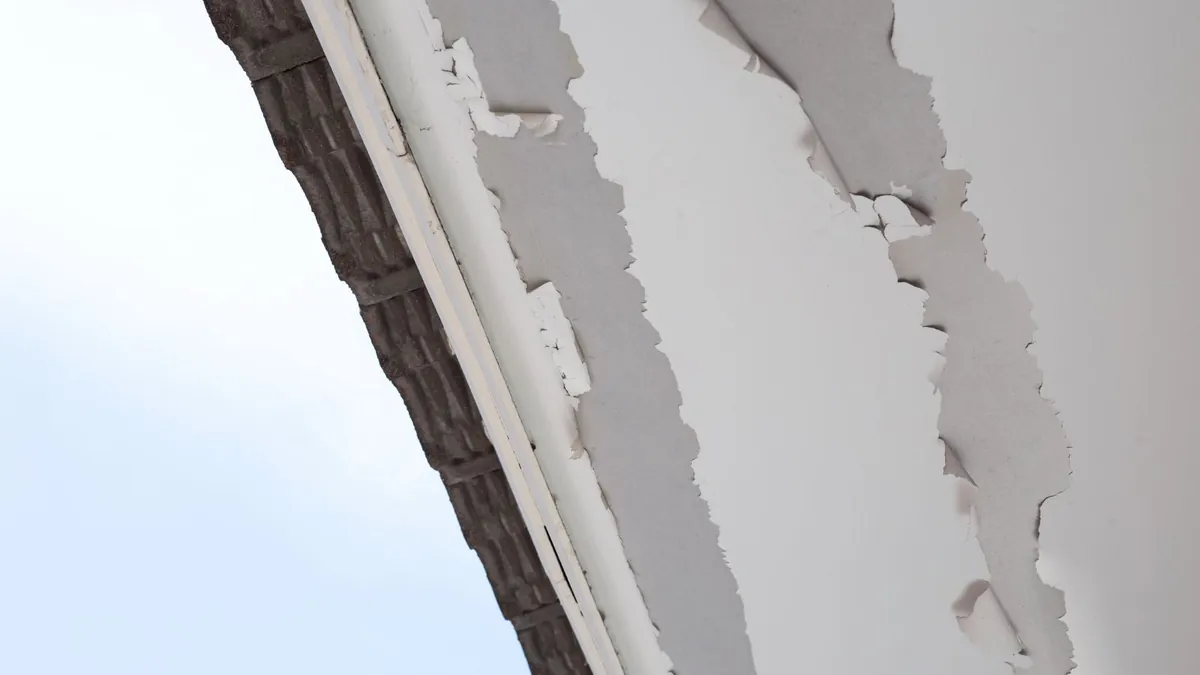
- A roof leak that stains a ceiling.
Finished basements and walls
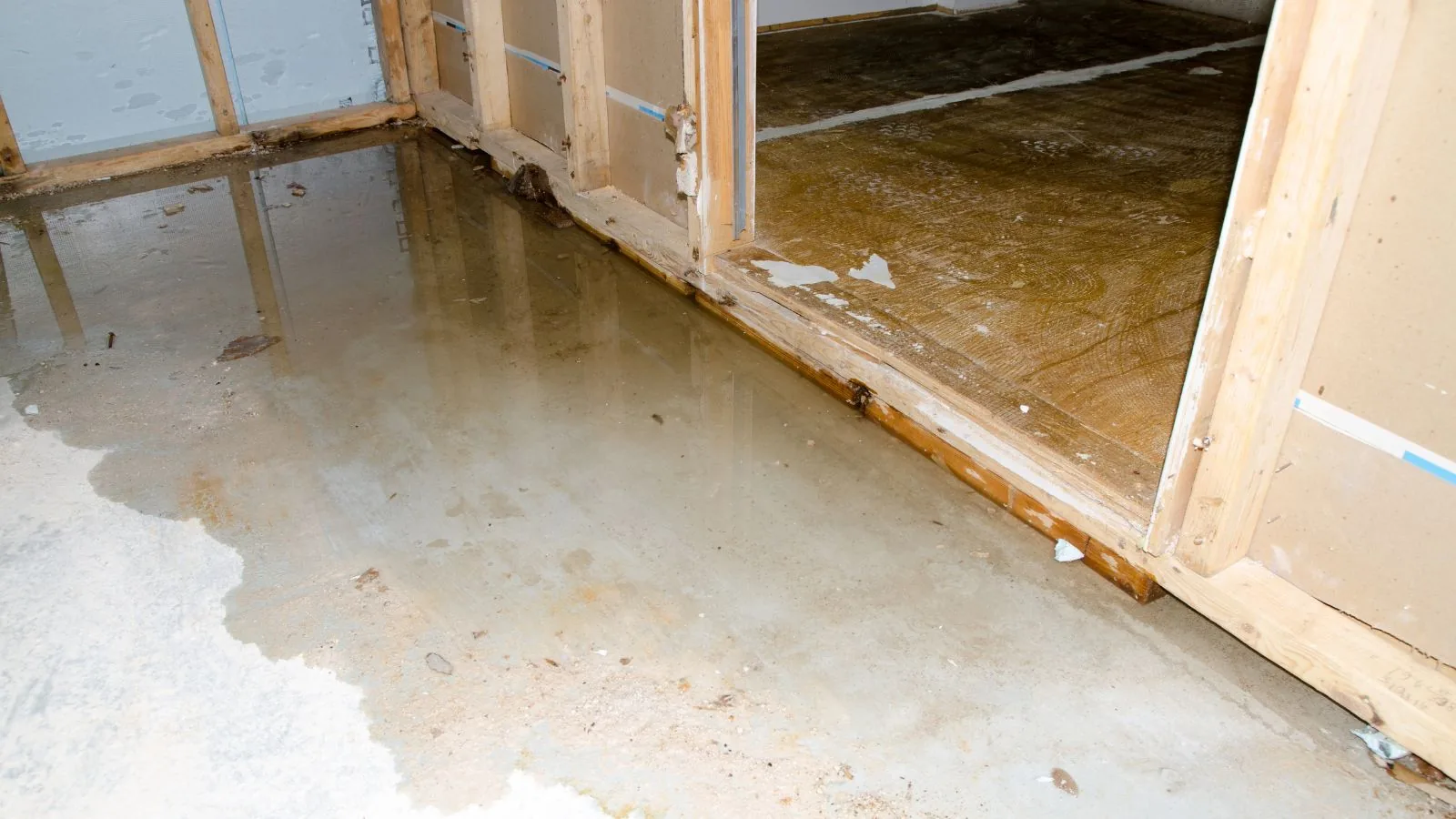
Not every home has a basement, and this page does not assume one. Where a home has a finished lower level, wet drywall, carpet and insulation can hide moisture behind the finish. A crew maps the wet area with a meter and thermal camera before deciding what to remove. See basement water damage and wall and drywall repair.
How a drying visit runs
A crew reads moisture in walls, floors and ceilings before setting equipment. Standing water is extracted first, and materials that cannot be dried, such as soaked insulation or carpet pad, are removed. Air movers and dehumidifiers then run, and readings are repeated on each visit until they approach a dry reference.
Crews follow ANSI/IICRC S500, the standard for water damage restoration. Ask for the readings in writing, since they show when drying is actually done.
- Moisture mapping of every wet surface.
- Extraction of standing water.
- Removal of materials that cannot be dried.
- Equipment placement and daily readings.
First steps and records
Close the nearest shutoff if it is safe, keep people and pets away from water near electrical equipment and photograph the damage. Ask for moisture readings and a written scope, and keep your own notes. Coverage depends on the cause and your policy, so ask your insurer before you decide.
Local context for Station Camp and Saundersville
The city building and codes office can answer permit questions before a rebuild.
Neighborhood-specific FEMA flood-zone status not verified. This page does not state a flood zone for the area. To check a specific address, use the FEMA Flood Map Service Center or ask the city building and codes office.
Services used for Station Camp and Saundersville losses
- Burst Pipe Water Damage
- Appliance Leak Water Damage
- Water Heater Leak Cleanup
- Basement Water Damage
- Wall and Drywall Water Damage
Nearby areas we serve
Also serving the Drakes Creek area. See the full service area page.
Call and describe what is wet. The dispatcher explains the safe first steps and what a visit would involve.
Questions about water damage in Station Camp and Saundersville
Are newer homes less likely to have water damage?
No source supports that, and this page does not claim it. Water damage starts with failed parts, storms and drainage, and any home can be affected.
Is Millstone in the service area?
A neighborhood guide places Millstone near Station Camp in Hendersonville. Call with your address to confirm coverage.
Do you handle water damage in finished basements?
Yes, where a home has one. A crew maps the wet area first, then extracts, removes materials that cannot be dried and dries the structure.
What if I am not sure whether the water is clean?
Treat it as contaminated and stay out until it is assessed. Clean supply-line water is different from sewer or flood water, and the response changes.